


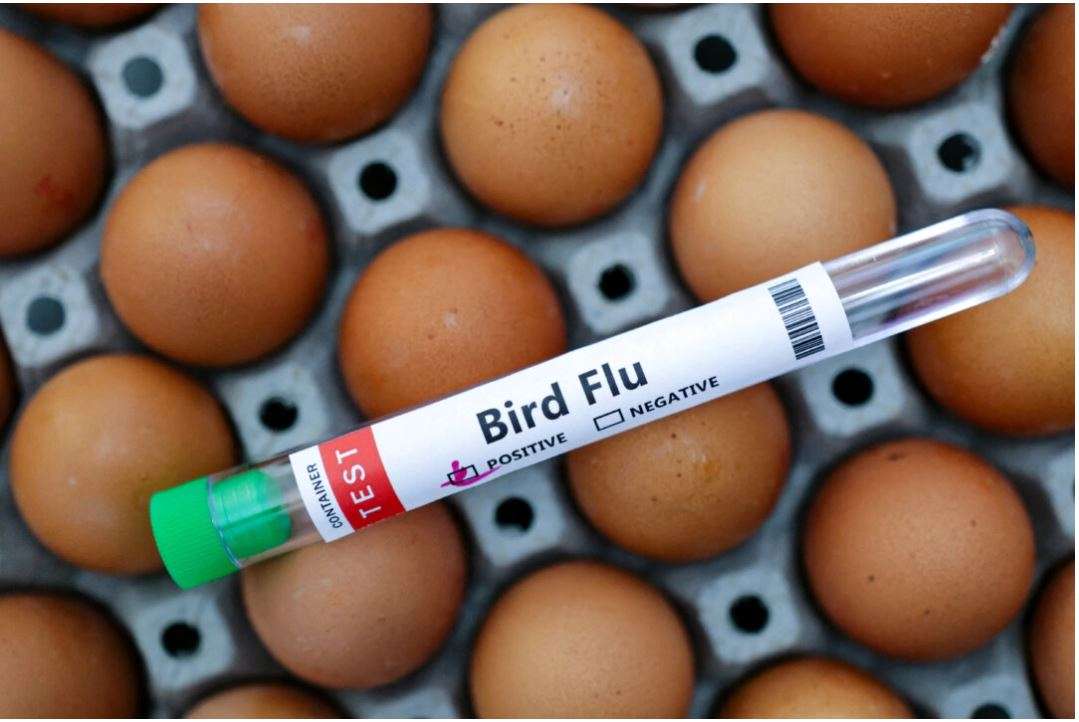
With the arrival of the H5N1 bird flu strain in Australia considered “inevitable”, the federal government has announced A$95 million (US$64 million) in funding to prepare and protect the country.
Australia is currently the only continent free of the H5N1 strain, which has caused significant problems worldwide, particularly affecting wild birds, some mammals and livestock.
The funding is intended to support the state's biosecurity efforts, with nearly $36 million to protect endangered species and promote environmental action.
Agriculture Minister Julia Collins said the virus could enter Australia through migratory birds, which Australia cannot control at its borders and remains a serious problem.
Environment Minister Tanya Plibersek stressed the importance of early detection and surveillance, with funding aimed at increasing Australia's ability to track the spread of the virus.
At a joint press conference on October 14, ministers announced that, in addition to environmental protection, $37 million would be invested in protecting Australian agriculture. This includes strengthening scientific capacity and monitoring wild birds across the country.
The government also plans to improve coordinated communication strategies to respond quickly to any outbreaks.
Chief Medical Officer Professor Paul Kelly addressed the human health implications, noting that while the risk of human infection is currently low, the government is prepared for that possibility.
He said the H5N1 virus is evolving rapidly and that $22,1 million of the funding will go toward developing vaccines to protect people in the event of a future outbreak.
Health Minister Mark Butler echoed these concerns, saying there was “no reason for complacency” about the potential human impacts of H5N1.
The government is working through the interim Australian Centre for Disease Control to ensure the country is prepared.
The announcement builds on more than $1 billion in biosecurity funding allocated in the 2023 budget.
Emergency Management Minister Senator Jenny McAllister said recent crisis exercises have informed a new funding strategy, which includes a National Emergency Management Agency that will work closely with states to ensure a coordinated response.
As wild birds migrate during the warmer months, avian influenza is expected to arrive in Australia, raising concerns for both wildlife and human health.
Although the risk to humans is currently low, the World Health Organization has reported over 900 cases of human infection worldwide, with more than 50 percent of those cases proving fatal.
The government also urged the public to report any sightings of large numbers of dead birds by calling 1800 675 888 or visiting birdflu.gov.au. This will allow authorities to conduct appropriate testing to monitor and prevent the spread of bird flu in Australia.